One of the questions I am asked most often is: How do we move from successful pilot projects to solving malnutrition at national scale?
Over the past few years, the Eleanor Crook Foundation has become increasingly focused on answering that question. Rather than funding parallel programs, we partner with governments to help them permanently integrate proven nutrition interventions into their own health systems—so they continue delivering results long after donor funding ends.
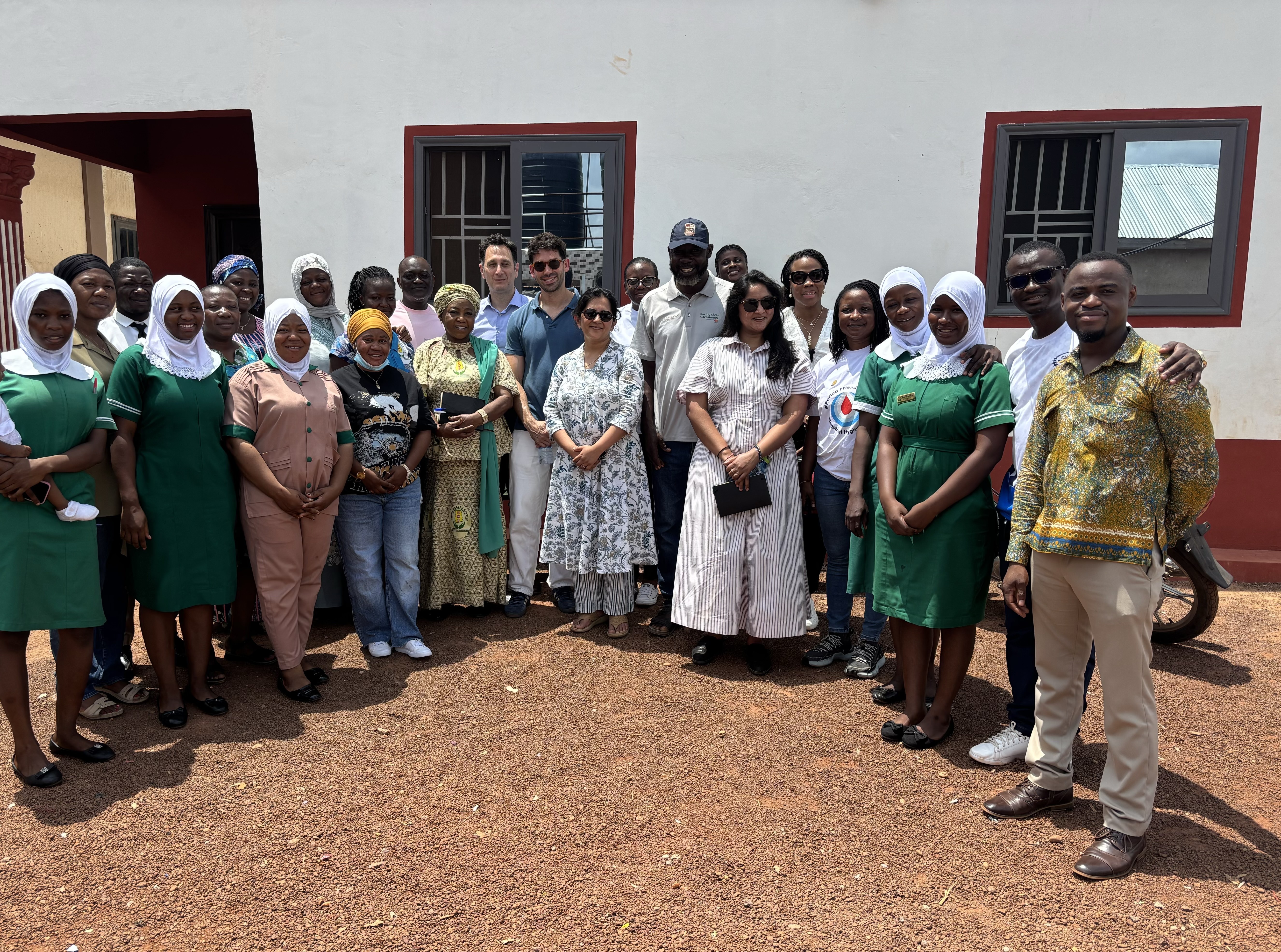
A few weeks ago, I was in Ghana with my colleagues Chytanya Kompala and Yashodhara Rana, and I came away more optimistic than ever.
Working alongside our outstanding partners at the Government of Ghana and CHAI, ECF has helped achieve national scale-up of Ready-to-Use Therapeutic Food (RUTF) while also helping secure some of the lowest RUTF prices ever paid in Ghana. That combination matters enormously. Lower prices mean governments can treat many more children with the same resources, making national ownership financially achievable rather than perpetually donor-dependent.
Those achievements are important on paper. Seeing them in practice was something else entirely.
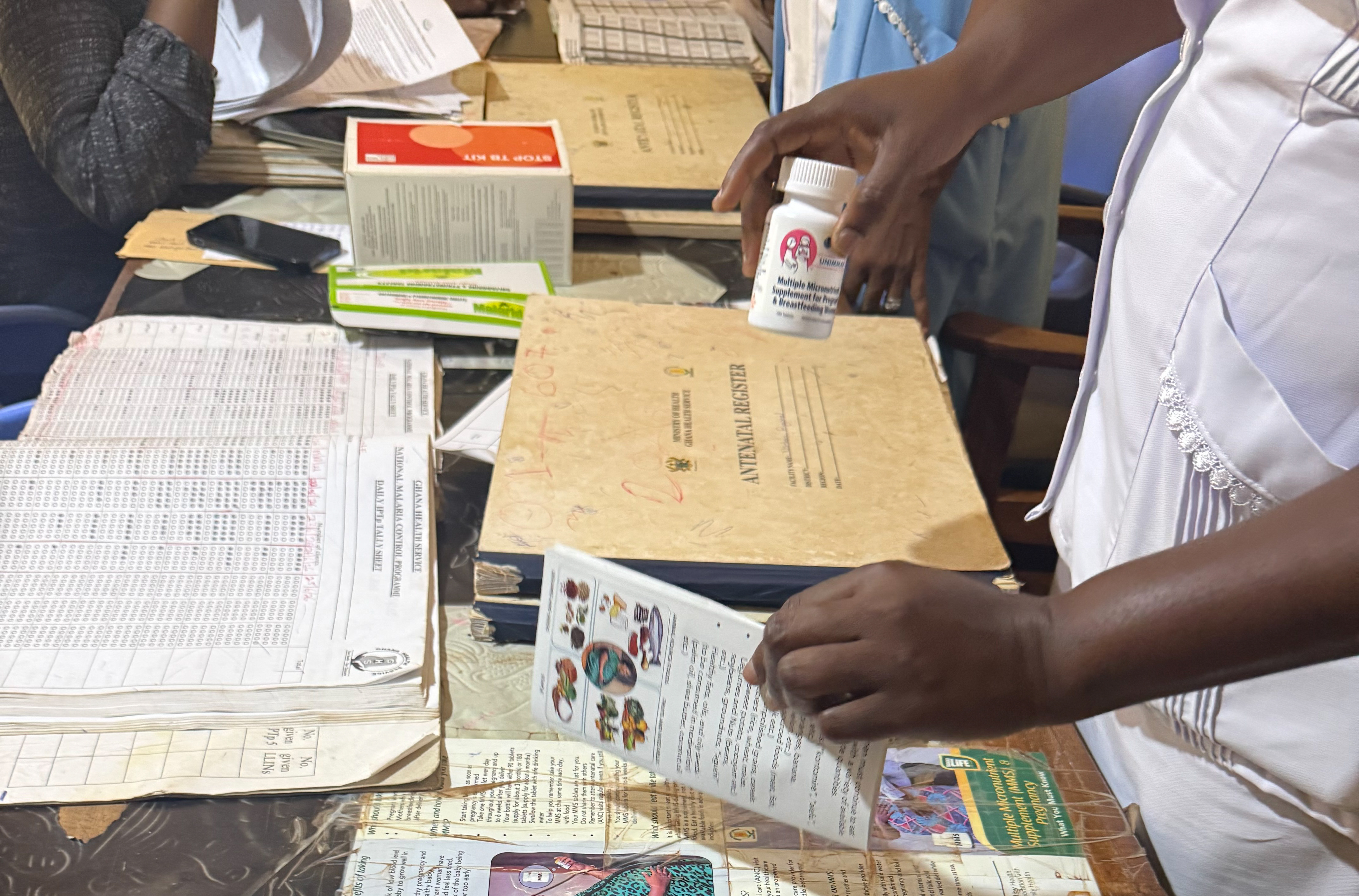
In Tamale, we visited health facilities where children with severe wasting are screened and treated every day. At one regional hospital, the waiting room was filled with mothers and young children, many of whom had traveled for hours to receive care. We met nutrition officers weighing children, monitoring their recovery, and distributing RUTF while explaining how their outreach teams actively search communities for children who might otherwise never receive treatment.
One health worker described children arriving so sick that they were too weak to cry. Just four or five weeks later, those same children were back laughing, running around the clinic, and trying to squirm out of their mothers' arms. It's impossible to witness those transformations without being reminded how extraordinary these treatments are. For roughly the cost of a family dinner in the United States, a child's life can be saved.
What struck me most, however, wasn't just the clinical impact. It was the sense that Ghana has reached an inflection point.
Over the past decade, international funding for child malnutrition declined sharply, leaving many countries without the resources needed to reach every child who required treatment. Ghana could easily have remained dependent on unpredictable and insufficient donor funding. Instead, its leaders have chosen a different path.
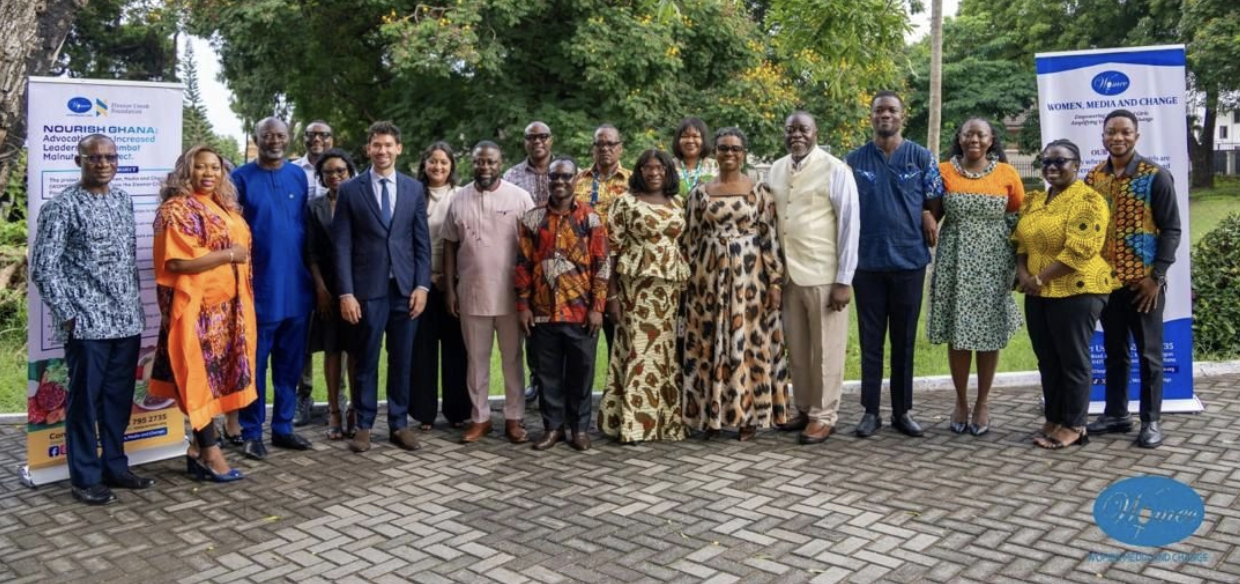
Across our meetings with the Ministry of Health, the Ghana Health Service, the National Health Insurance Authority, and other government leaders, we heard the same vision repeated: nutrition programs should ultimately belong to Ghana, be financed by Ghana, and be accountable to Ghanaian families.
That vision is increasingly becoming reality.
Together with CHAI, ECF has been helping remove the barriers that have historically prevented RUTF from being fully integrated into Ghana's health system. We're supporting the policy work, market shaping, financing pathways, and implementation planning needed so treatment becomes part of the country's routine health services—not a parallel program dependent on external grants.
The recent expansion of fiscal space within Ghana's National Health Insurance Scheme has created a genuine opportunity to incorporate life-saving nutrition interventions into the country's own financing system. If successful, a child with severe wasting could receive RUTF through the same government health insurance system that already covers countless other essential health services. That is the definition of sustainability.
Our work doesn't stop with treatment.
Ghana is also becoming an important partner in ECF's efforts to help governments transition from iron-folic acid to multiple micronutrient supplements (MMS) for pregnant women. The government is currently completing implementation research that will generate the country-specific evidence needed to inform future policy decisions and, we hope, lay the foundation for another nationally owned scale-up.
This is part of a broader strategy that increasingly defines ECF's work around the world.
In Nepal, for example, we have spent a few years partnering with the government to build the evidence, policies, financing, and implementation systems needed to transition to MMS nationwide. Rather than creating another donor project, our objective has been to help Nepal permanently strengthen its own health system. That approach was recently featured in the Stanford Social Innovation Review as an example of "government accompaniment"—working alongside governments until they can fully own and sustain these programs themselves.
Whether we are helping lower the cost of RUTF in Ghana or supporting national MMS adoption in Nepal, the principle is the same. We are not trying to deliver nutrition ourselves. We are helping governments build systems capable of delivering proven interventions to every child and every mother who needs them, year after year.
I left Ghana inspired by the extraordinary dedication of the frontline health workers we met, encouraged by the leadership of the Government of Ghana, and grateful for the partnership of our colleagues at CHAI.
The world already knows how to prevent millions of deaths from child malnutrition. The challenge today is no longer discovering what works. It is helping countries scale those solutions, finance them, and make them permanent.
That is the work ECF is committed to, and after this visit, I am more convinced than ever that it is one of the highest-impact investments we can make.