
Ghana Launches Bold Effort to Reach 90% Treatment Coverage for Children with Malnutrition
September 18, 2025
Ghana Launches Bold Effort to Reach 90% Treatment Coverage for Children with Malnutrition
18 September 2025
Background
Undernutrition remains a leading risk factor for disability-adjusted life years (DALYs) lost in low- and middle-income countries. It manifests primarily as stunting and wasting, both of which contribute significantly to high child morbidity and mortality. Globally, nearly half of deaths in children under five are linked to undernutrition [1].
The most life-threatening form, Severe Acute Malnutrition (SAM) is characterized by extremely low weight-for-height (wasting), which accounts for over one (1) million child deaths globally each year [2]. Children suffering from wasting face heightened risks of frequent infections, micronutrient deficiencies, delayed development, severe medical complications, and death.
The 2022 Ghana Demographic and Health Survey (GDHS) reported a 6% prevalence of wasting among children under five, with 1.2% classified as severely wasted. The burden is higher in some regions: Northern (7.8%), Ashanti (7.7%), Volta (7.4%), North East (6.8%), Central (6.8%), and Upper West (6.4%), revealing persistent geographic inequities in child nutrition outcomes. Each year, over 61,600 children in Ghana suffer from severe wasting—a life-threatening condition, yet fewer than one in six receive treatment.
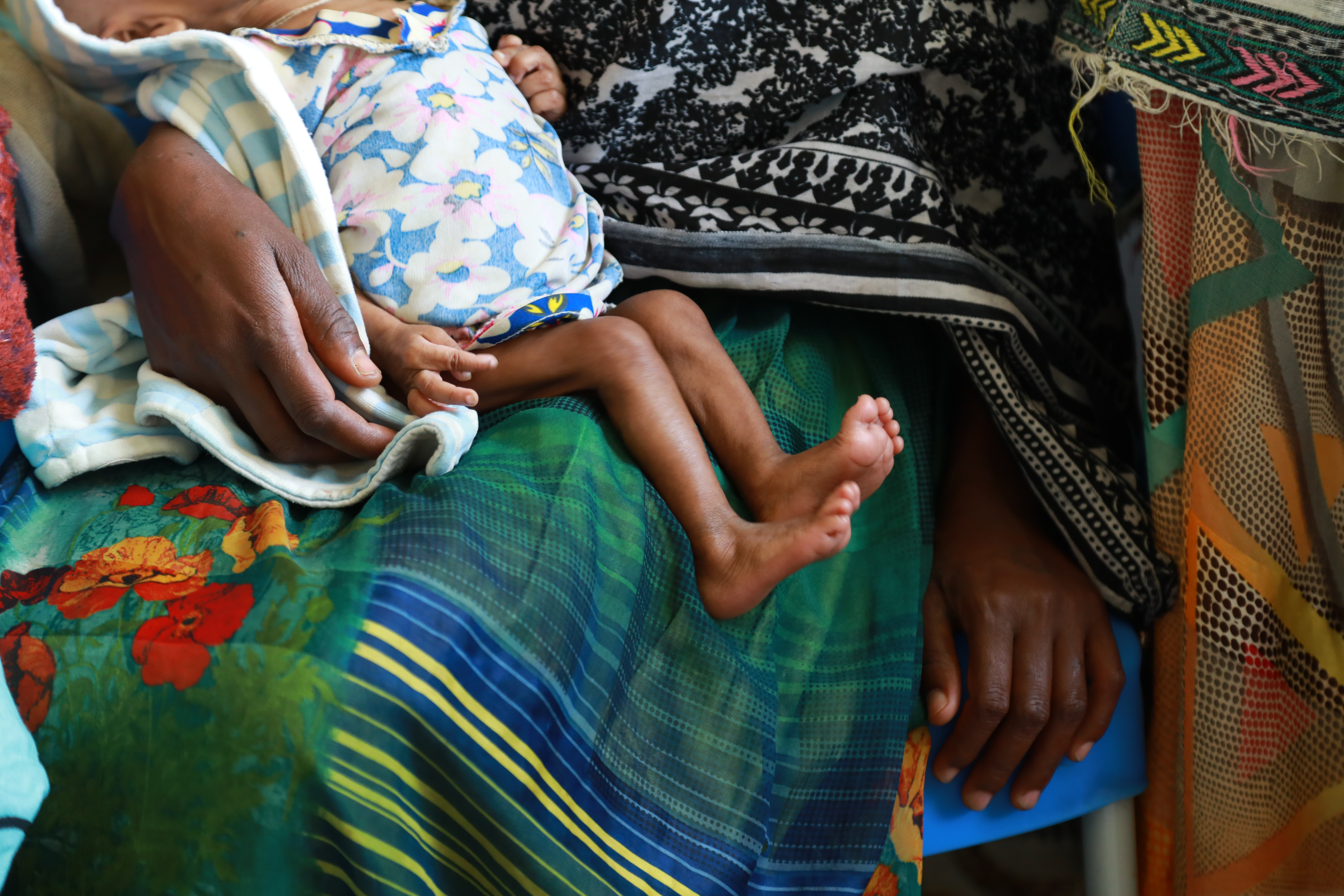
National Response: Community Management of Acute Malnutrition (CMAM)
To address this burden, Ghana adopted the Community-Based Management of Acute Malnutrition (CMAM) approach in 2007, integrating it into national guidelines in 2015. This approach, which uses Ready-to-Use Therapeutic Foods (RUTF) as recommended by the WHO, is more effective than inpatient care for uncomplicated SAM and helps achieve recovery rates above 80% when adequately resourced. RUTF is nutrient-dense, shelf-stable, and critical for saving lives. However, in Ghana, RUTF has not been routinely available through Ghana’s public health system, relying instead on inconsistent donor-funded procurements.
A new US$2.15 million partnership between Ghana Health Services (GHS), the Eleanor Crook Foundation, and the Clinton Health Access Initiative (CHAI) aims to change that by making life-saving RUTF routinely available through the country’s public health system for the first time.
With the Ghanaian government’s growing commitment to expand domestic financing for nutrition, this investment will serve as a critical bridge to long-term government ownership. The catalytic procurement of RUTF and its inclusion in national systems will support a pathway toward sustainable, government-led treatment services.

Phase One Achievements (January 2024 – June 2025)
During this phase, the partners have worked with the Ghanaian government to
- revise national CMAM guidelines and treatment protocols
- support the inclusion of RUTF in Ghana’s Essential Medicines List and Standard Treatment Guidelines,
- train more than 80 master trainers on updated CMAM protocols.
- procure 13,000 cartons of RUTF, which achieved a 30 percent price reduction—demonstrating a potential pathway for Ghana and other countries to procure over 40 percent more RUTF within the same budget.
- Procure anthropometric equipment (including 250 weighing scales with solar panels, 250 length/height boards, and 2,000 MUAC tapes) to support treatment and improve early diagnosis.
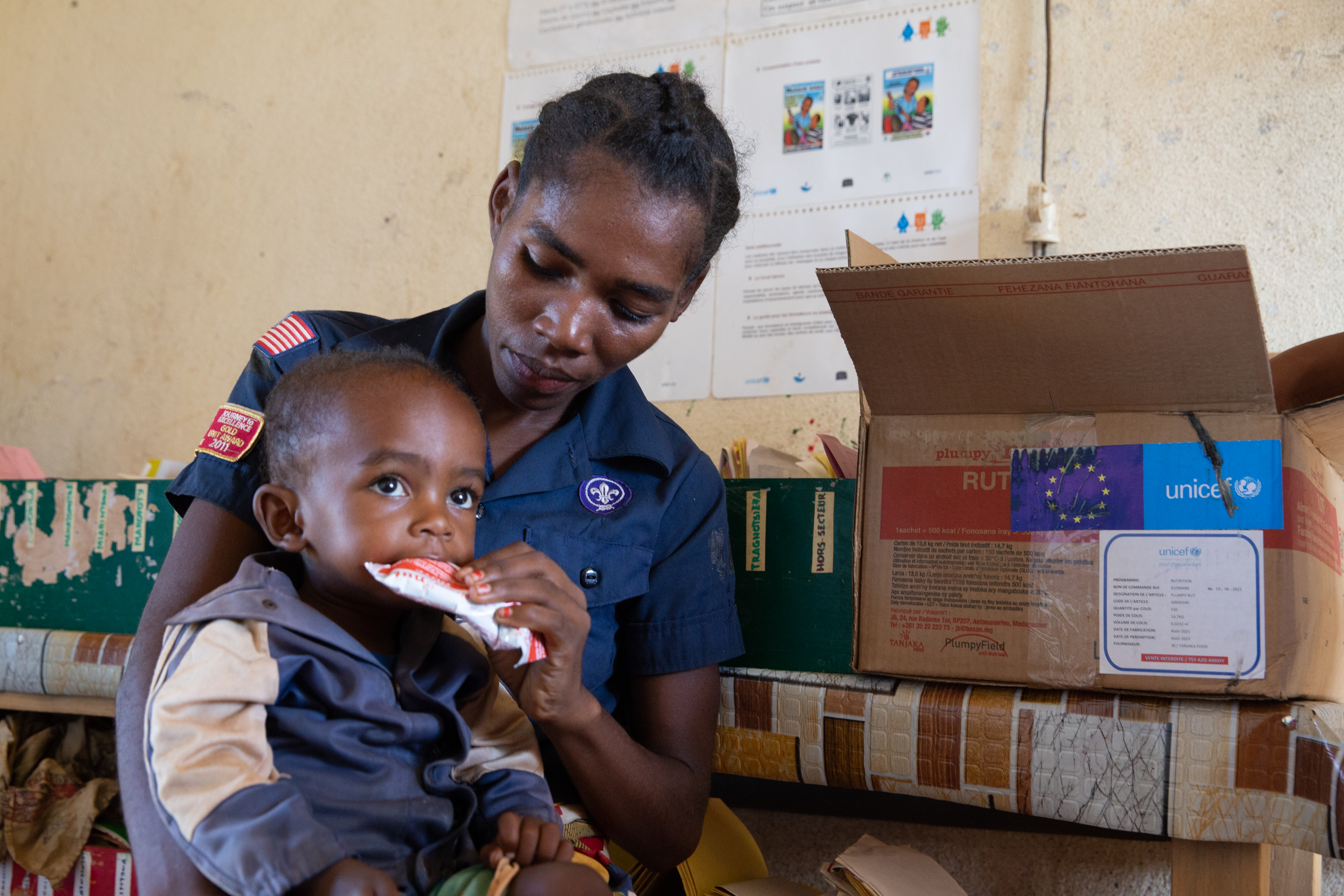
Phase Two Objectives (July 2025 – December 2026)
Building on foundational progress made under the previous investment, this new phase of work will support GHS in embedding Community-Based Management of Acute Malnutrition into national health systems, with the goal of achieving 90 percent national treatment coverage.
Under the leadership of the Ghana Health Service, the project aims to scale access to Ready-to-Use Therapeutic Food (RUTF)—the standard treatment for severe wasting—by integrating it into the National Health Insurance Scheme (NHIS) and the national supply chain. With technical support from CHAI, the initiative will also strengthen implementation of Ghana’s revised treatment protocols, aligned with the 2023 WHO wasting guidelines, and scale health worker training across priority regions.
Throughout 2025 and 2026, CHAI and GHS will focus on three areas:
- Implementation of revised guidelines, including expanded treatment for high-risk moderate wasting cases;
- Strengthening national and regional procurement systems to enable consistent supply and delivery of RUTF;
- Institutionalizing financing mechanisms, including reimbursement through NHIS and integration into regional framework contracts.
This effort contributes directly to fulfilling Ghana’s Nutrition for Growth commitments and aligns with broader global efforts to scale access to high-impact, cost-effective malnutrition interventions. It also builds on CHAI’s longstanding expertise in expanding access to health commodities, and ECF’s strategy to invest in catalytic, government-led efforts to combat malnutrition.

Dr. Yashodhara Rana, the Eleanor Crook Foundation's Director of Research, Policy & Scaling, said:
“For too long, life-saving treatment for malnourished children has depended on donors and short-term fixes. Now Ghana has pledged to finance and scale wasting treatment through its own health system, and that’s the real game changer. Ghana’s leadership on wasting treatment is a milestone worth celebrating and a powerful signal to other countries that sustainable, government-led solutions are within reach.”
About Clinton Health Access Initiative
The Clinton Health Access Initiative, Inc. (CHAI) is a global health organization committed to saving lives and improving health outcomes in low- and middle-income countries by enabling the government and private sector to strengthen and sustain quality health systems. For more information, please visit: www.clintonhealthaccess.org
About the Eleanor Crook Foundation (ECF)
The Eleanor Crook Foundation is a growing U.S. philanthropy fighting to end global malnutrition through research, policy analysis, and advocacy.
[1] https://www.who.int/news-room/fact-sheets/detail/malnutrition
[2] https://www.unicef.org/media/96981/file/Statement-WHO-WFP-SCN-and-UNICEF-on-Community-Based-Management-of-SAM.pdf


